


Alcohol and cancer risk: what you need to know

The surge in fatal drug overdose rates among all groups in the 2010s was due primarily to fentanyl, a synthetic and highly potent illicit opioid with high overdose risk (Kiang et al., 2019; Monnat et al., 2019; Peters et al., 2020). Fentanyl was the primary contributor to overdoses among all racial/ethnic groups starting in the mid-2010s, while Whites continued to have higher rates of overdose from prescription opioids relative to other racial/ethnic groups. In state- and county-level analyses, prescription opioids, heroin, and fentanyl difference between drugs and alcohol were found to be differentially implicated in overdoses across different parts of the United States.
Trends by Race/Ethnicity
Public and private insurers paid for prescriptions for many years without developing adequate checks to determine whether the prescriptions were appropriate. For example, Morden and colleagues (2014) document that nearly half of disabled Medicare beneficiaries received a prescription opioid in 2010, and half of those received six or more prescriptions. Adi Jaffe, Ph.D., is an expert in mental health, addiction, and personal transformation and the author of The Abstinence Myth and Unhooked.
Medical Links
It places a heavy burden on families and communities, increasing exposure to accidents, injuries, and violence. To build a healthier, more equitable society, we must urgently commit to bold actions that reduce the negative health and social consequences of alcohol consumption and make treatment for substance use disorders accessible and affordable.” Missouri faces substantial challenges with substance use disorders, particularly regarding opioids and synthetic drugs like fentanyl, with overdose death rates continuing to rise above national averages. Despite some promising expansion of evidence-based treatments, significant barriers remain in treatment access and affordability, while regional and racial disparities highlight the need for targeted interventions addressing social determinants of health.
Data analysis
The data are shockingly clear – lives are at risk in every community due to alcohol, drugs, and suicide and communities that experience disadvantage because of long-standing social, economic and environmental inequities suffer a disproportionate impact. The report highlights the urgent need to accelerate actions globally towards achieving Sustainable Development Goal (SDG) target 3.5 by 2030 by reducing alcohol and drug consumption and improving access to quality treatment for substance use disorders. “It is unprecedented to see predicted overdose deaths drop by more than 27,000 over a single year,” said Allison Arwady, MD, MPH, Director of CDC’s National Center for Injury Prevention and Control. New provisional data from CDC’s National Vital Statistics System predict a nearly 24% decline in drug overdose deaths in the United States for the 12 months ending in September 2024, compared to the previous year.
Law Enforcement and Social Impact
- It then includes a joinpoint, representing a change in trend, and performs a statistical test to assess the significance of the model with one joinpoint compared to the null model with no joinpoints.
- Motivation ties to self-efficacy, the belief in one’s ability to stop engaging in such behavior.
- This egregious prescribing could not have happened without the willful help of pharmaceutical distributors.
- However, we still have a long way to go before insurance companies recognize and provide coverage for substance use disorders on par with other chronic diseases.
Assuming that the main cohort of drinkers during the peak consumption period (mid-1970s to early 1980s) were ages 20–40, most of them would have been ages 35–55 at the start of the study period (1990). Demand-side explanations focus on the factors that make certain demographic groups more vulnerable to drug and alcohol addiction and poisoning. Qualitative researchers have interviewed individuals who are living lives plagued by drug and alcohol misuse and dependence. The testimonies of these people highlight the role of declines in communities and families triggered by changes in economic opportunities. Yet while qualitative research supports this narrative, more rigorous quantitative research has not been as convincing.
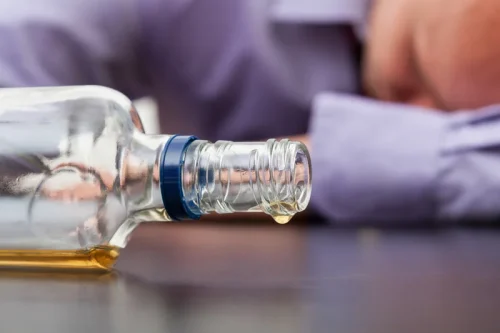
TRENDS IN MORTALITY DUE TO DRUG POISONING AND ALCOHOL
The varying patterns of use across substances indicate the need for multifaceted approaches to prevention and treatment rather than one-size-fits-all strategies. By tracking alcohol-related deaths we are able to capture a broader scope of alcohol-related harm than the one covered by alcohol-specific deaths only. We used statistical analysis to highlight percentage changes, drawing insights into areas of significant concern, such as alcohol poisoning and DUI fatalities. We categorized deaths into chronic and acute causes, allowing for a detailed breakdown of alcohol’s impact on health and safety.

Data availability
The increases in alcohol-induced mortality reported above likely reflect much earlier changes in consumption patterns. The temporal trends observed in alcohol-induced mortality align with temporal trends in per capita alcohol consumption (Kerr et al., 2009, 2013a). The majority of alcohol-induced deaths are due to chronic liver disease and liver cirrhosis. For most people, it takes many years of heavy drinking to develop and succumb to these diseases. Peak alcohol consumption in the United States occurred during the mid-1970s to early 1980s (see Figure 7-4; Haughwout and Slater, 2018). There was then a sharp drop in consumption between the early 1980s and 1997, followed by a slow rise starting in 1998.
Trends by Age
As alluded to earlier, the crisis among Blacks was treated primarily as a criminal justice problem, while the crisis among Whites has been treated primarily (though not exclusively) as a public health crisis—a contrast often cited as an example of systemic racism (see Chapter 11). These distinctions aside, both crises may have been fueled by despair brought on by changing economic, social, and family conditions that disproportionately impacted individuals without a college degree (Silva, 2019; Wilson, 1987). Among the Alcoholics Anonymous most well-known culprits in the opioid overprescribing crisis is the pharmaceutical company Purdue Pharma. In 2020, Purdue reached an $8.3 billion settlement with the U.S. government and agreed to plead guilty to criminal charges that it enabled the supply of opioids “without legitimate medical purpose,” conspired to defraud the United States, and violated antikickback laws in its distribution of opioids. Kickbacks included payment to health care companies and physicians to encourage opioid prescribing (Sherman, 2020).

Related research and data
- It is important to note, however, that Masters and colleagues did not disaggregate trends by educational attainment, which would be essential for undermining Case and Deaton’s cohort thesis.
- We conducted a comparison of the three patient groups with respect to gender, age, crude mortality rates (Table 1), and alcohol-related comorbidity.
- The 178,000 annual deaths from excessive alcohol use highlight an urgent public health crisis.
- “The whole evidence base around moderate drinking is scientifically frail — and that would be a charitable characterization,” Naimi says.
- Due to the nature of alcohol deaths vs other drugs, we address your emotional and mental health.
For the year, drug-induced deaths were up by 15 percent among Latinos and Blacks, 11 percent for American Indians and 10 percent for people of Asian descent. (Washington, DC – July 31, 2024) – TFAH’s Pain in the Nation report series tracks levels of alcohol, drug, and suicide deaths nationally and for population groups. This 2024 edition, reporting on 2022 data, found that a decrease in the alcohol-induced mortality rate led to a slightly lower combined rate of all U.S. deaths due to substance misuse and suicide, but the long-term trend of such fatalities is still alarmingly high. If these preventable deaths were eliminated (and other causes of death remained the same), U.S. life expectancy at birth would increase by 1.6 years, narrowing the current life expectancy gap by about half, the report says. Targeted public health interventions and investments in mental health and social services—as opposed to making changes in clinical care—would help minimize alcohol, drug, and firearm deaths, and potentially other preventable causes of death, across the country.

While all Americans need support coping with the pandemic, people who are currently struggling with addiction or a mental health issue need urgent attention,” said John Auerbach, President and CEO Trust for America’s Health. The 178,000 annual deaths from excessive alcohol use highlight an urgent public health crisis. With alcohol-related fatalities increasing across genders and age groups, immediate action is necessary. Stricter policies, enhanced addiction treatment, and increased public awareness can help curb this deadly trend. It is undeniable by the numbers that alcohol abuse is more prevalent than any substance on the market, and when you look at alcohol deaths vs other drugs, you can see why this is a big problem. As elaborated in Chapter 11 (see Recommendation 11-3), research on mortality trends would benefit from more analyses of multiple causes of death (MCDs).